Putting the XX in an expedition
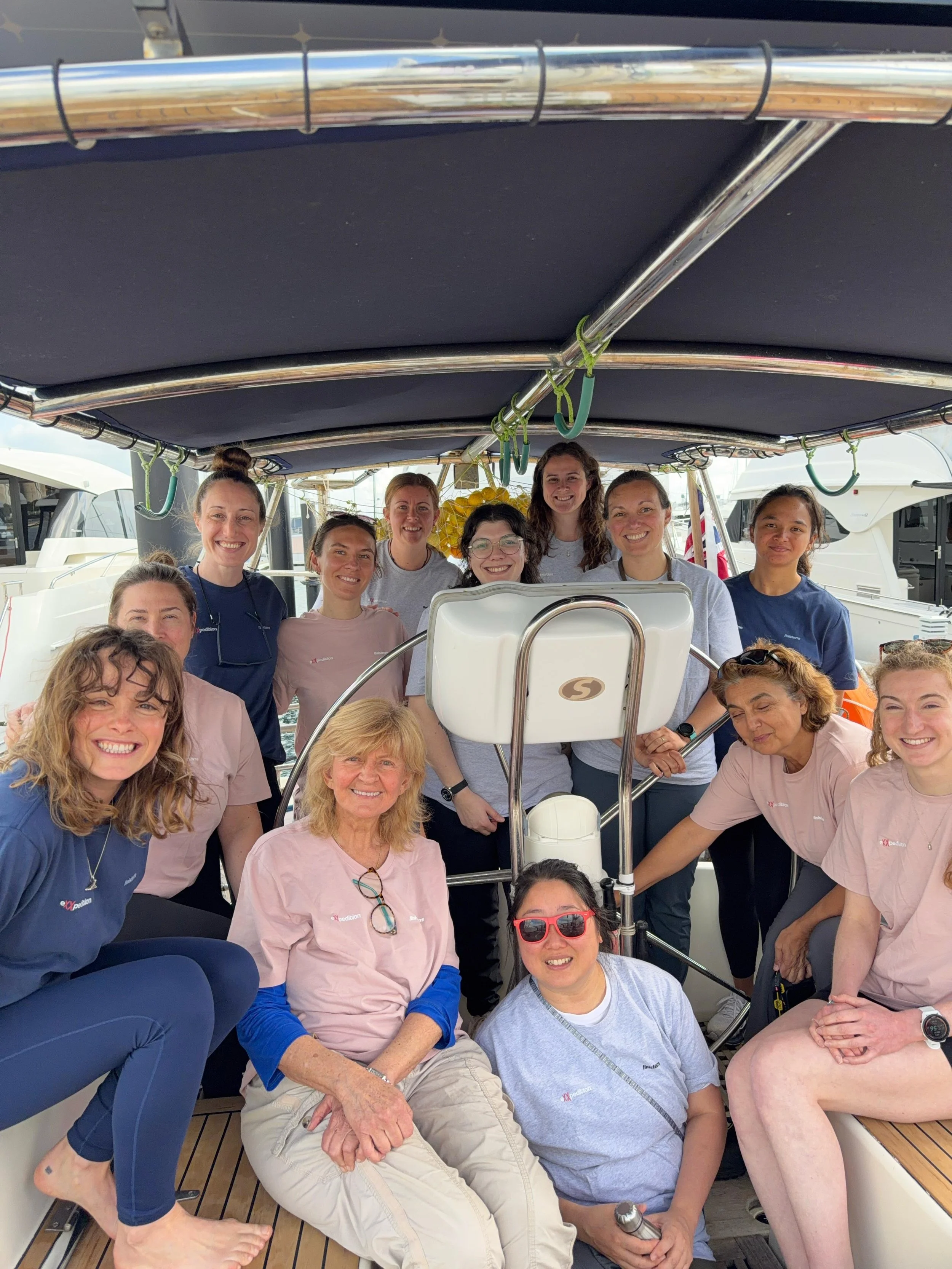
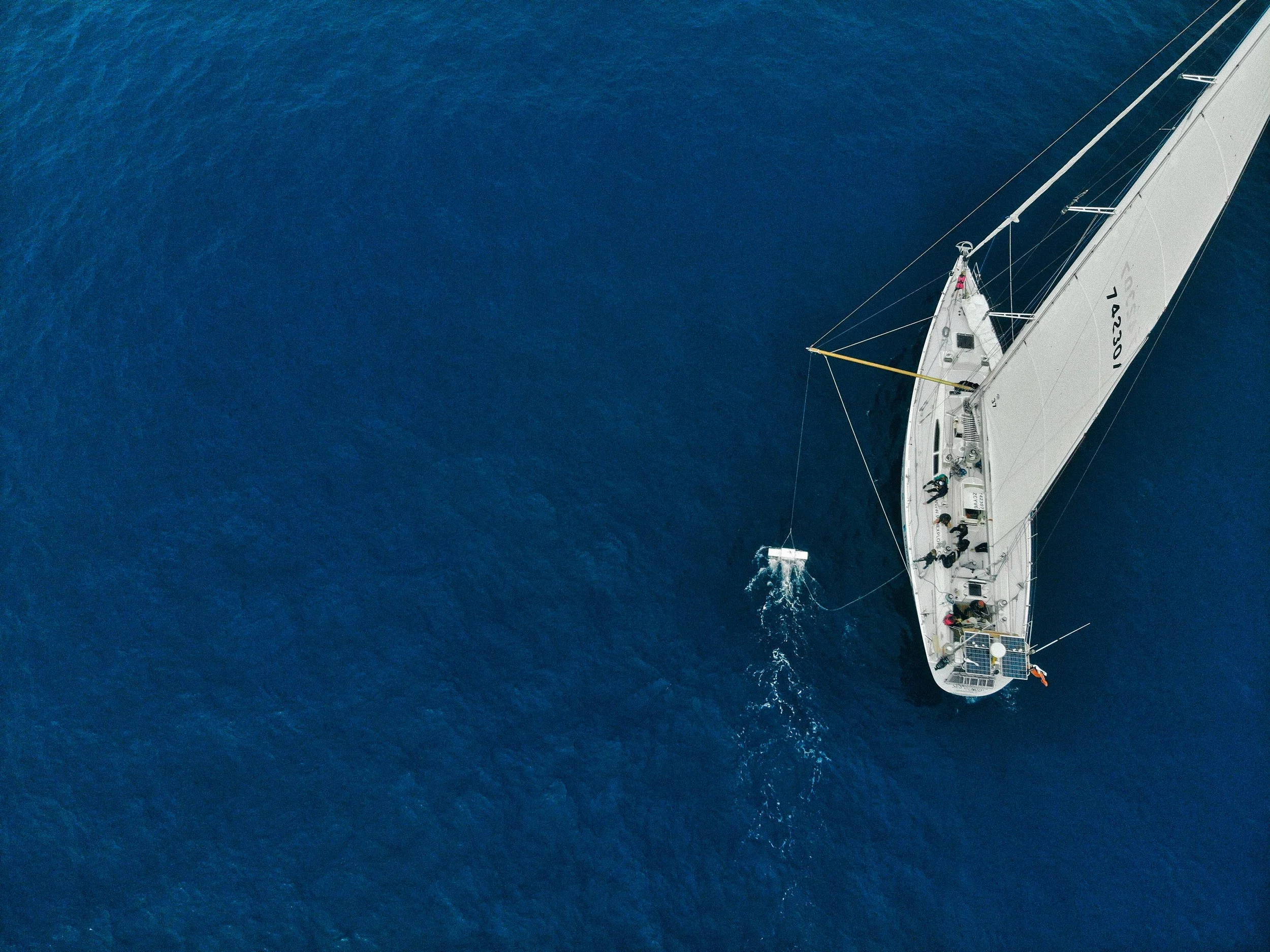
Photo by Katie Giles
A taste of adventure, a sense of belonging, a call to action.
Rowan Henthorn and Rāwinia Wikaira are from polar opposite sides of the world, but driven by the same purpose: Ocean sustainability.
Both set sail from Auckland, Aotearoa New Zealand as part of an all-women excursion led by the British environmental organisation eXXpedition. It’s the first global study looking to map ocean plastic pollution back to its sources on land. Their vessel journeyed around the South Pacific, from New Zealand to Tonga.
For Rāwinia, a recent Otago University Graduate and wahine Māori, the work she does hits close to home. Being Ngāti Wai, her connection to the land and water runs deep. “Ngāti Wai literally translates to the descendants of water,” she explained. So to her, being selected felt like an opportunity to reconnect with her ancestors.
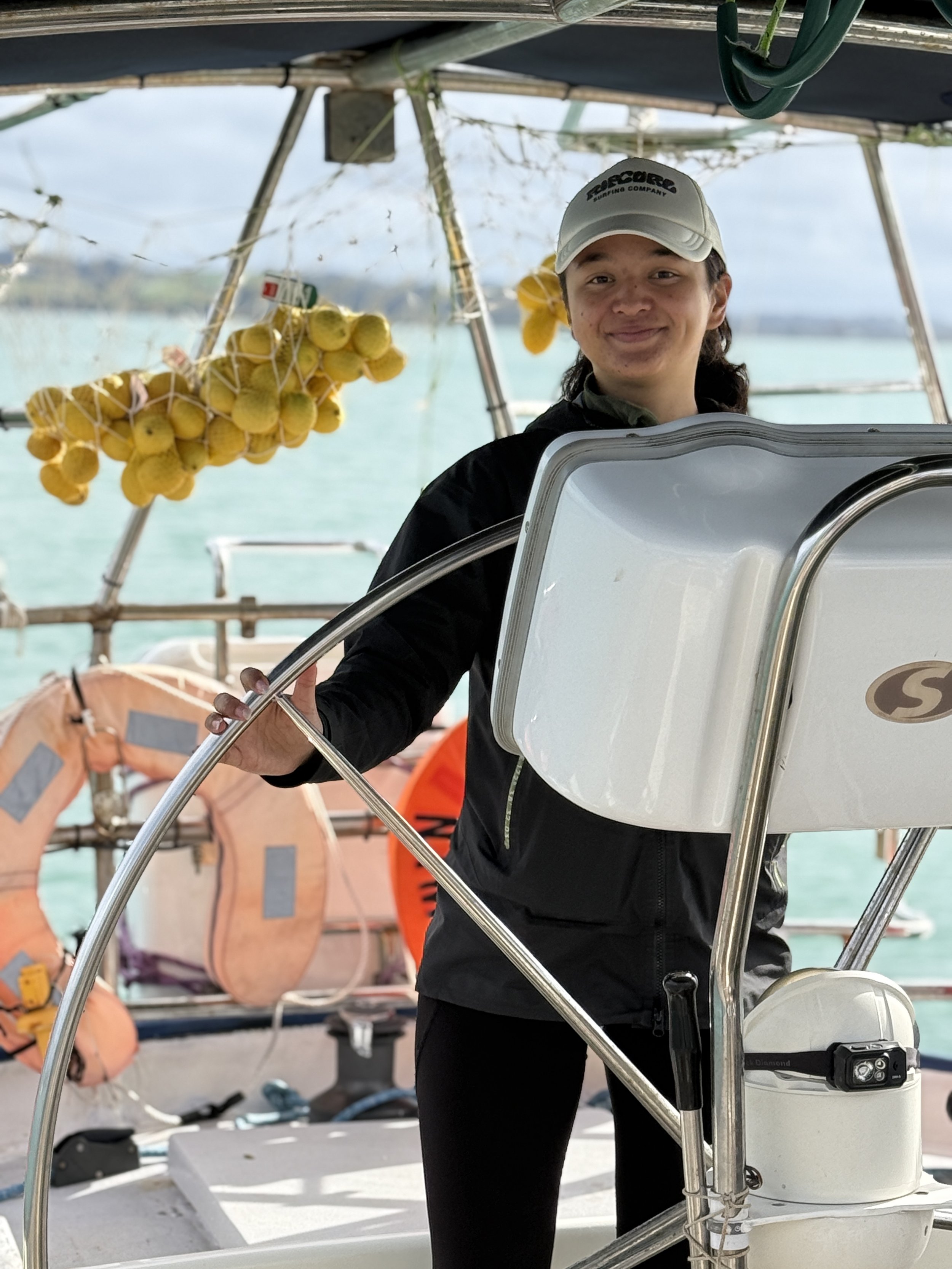
Photo by: Britta Baechler
But there was a fine balance to be had, she said, wanting to find a middle ground between honouring this part of her identity and not losing other aspects of her identity. “I didn’t think about representing New Zealand too much,” she recounted. “As I knew I’d probably get overwhelmed, so I just thought that if I showed up as myself, nothing could go wrong.”
Mission Lead Rowan didn’t take Rāwinia’s expertise for granted. “She’s just been a complete joy,” she smiled. “It’s been really important to bring in that indigenous culture and wisdom.”
Rowan herself is an Isle of Man native, who’s no stranger to the ocean either. She had her first taste of adventure in 2018, which revolutionised her approach to working alongside women in the field.
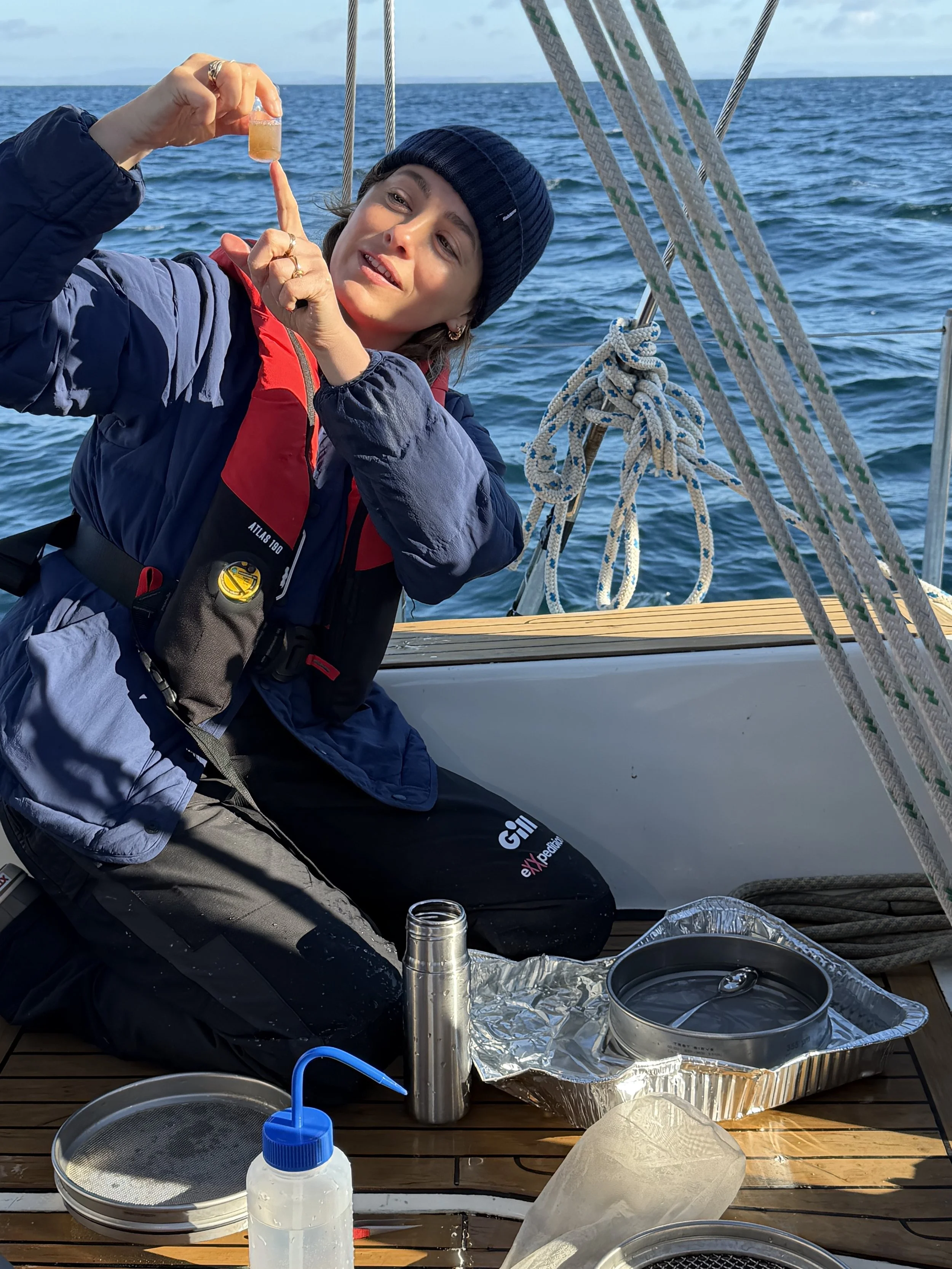
Photo by Sibel Bulay
She praised all the women on board this leg of the expedition and the diverse set of skills and strengths that they were able to bring to the boat - a sentiment strongly supported by Rawinia. Both agreed that working in this kind of environment was “empowering and refreshing”, especially when you know the work they were putting forward was helping protect landscapes for future generations.
And work they did.
To break it all down for those of us not spending weeks on the water, the first step is to take land, beach and water samples or surveys. Should they find any plastic debris greater than 2cm, it would be collected and identified on the boat using special gadgets and years of mastery.
Rāwinia said it showed exactly what the plastic is made from, making it relatively straightforward for teams to map back to its source on land from there.
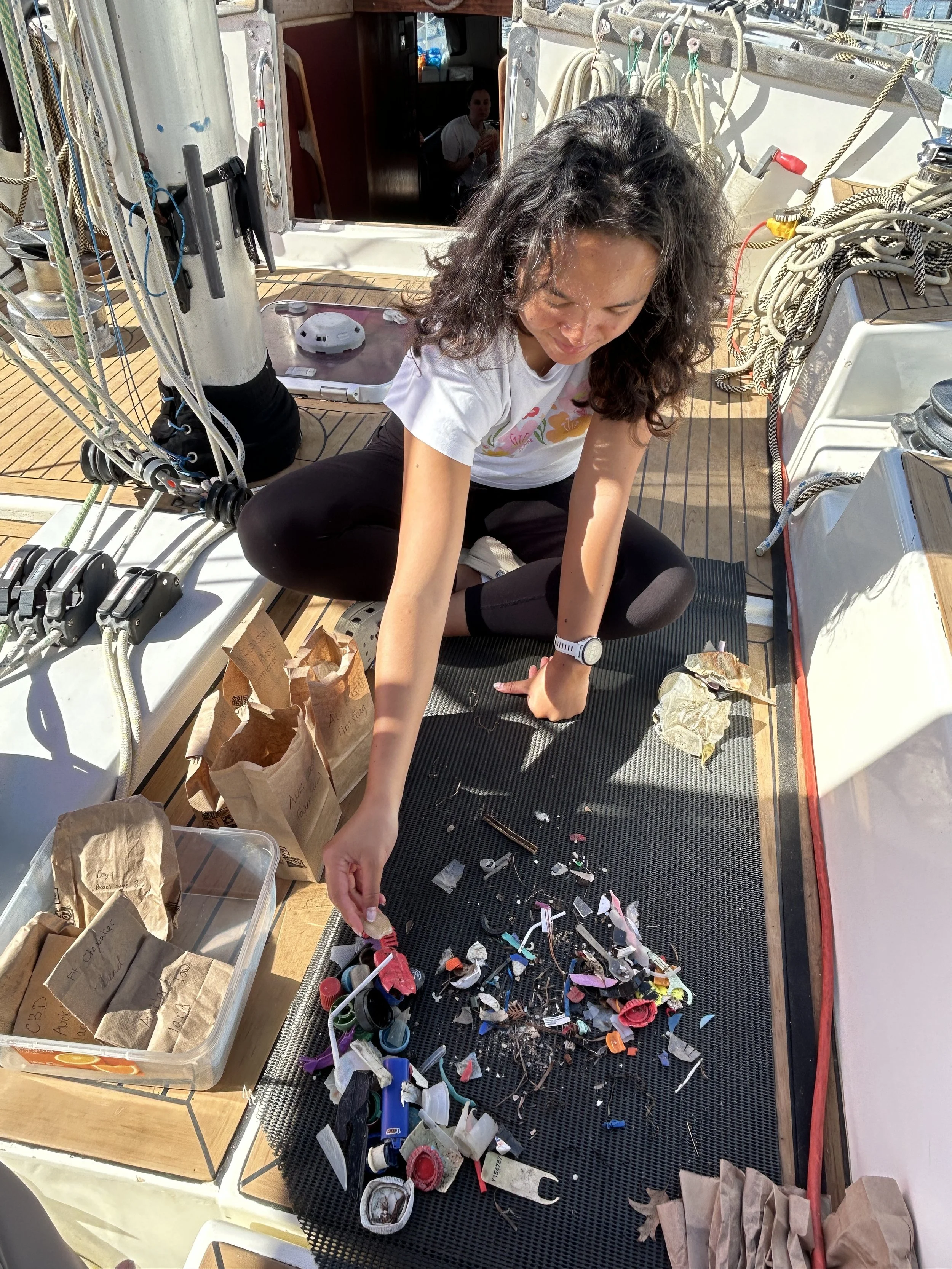
Photo by Taylor Maddalene Myers


Above photos by Eleanor Church Lark Rise Pictures, Sophie Dingwall & Jen Russell
Publishing this data helped move forward with sustainability policy in certain areas, as every region is affected differently. Paint and acrylic particles collected in Antigua were traced back to local boatyard activities during a previous Round the World voyage from 2019-2021. Spoiler alert on this latest mission - according to Rāwinia, New Zealand is doing pretty well!
eXXpedition was founded by renowned ocean advocate Emily Penn. She said plastic is polluting our entire ocean, yet the sources of that pollution differ. “It’s a global problem, but there’s no single fix. It needs local industry-specific, diverse solutions,” she said.
Rāwinia and Rowan said that more needs to be done, not just through these efforts but in the wider context of global plastic pollution. An estimated 171 trillion plastic particles are floating in the world’s oceans - a massive increase from the five trillion in 2014.
They push for any little girl who may be conflicted about making the jump into science, to just go for it.
“Stay true to who you are, as you will never be led astray,” Rawinia said. “You have your tūpuna watching over you, and when you listen to yourself and the tohu from the taiao, you will be guided to where you need to be every time.”
Rowan said one just has to dream, “We need more women out sailing, having adventures, being scientists, engineers, artists, creators. If you want to do it, you can do it.”